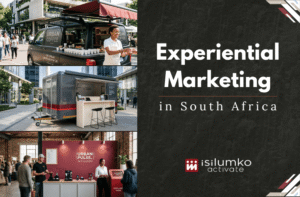
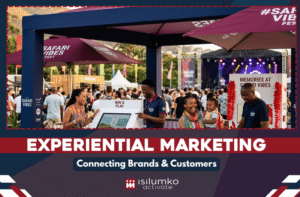
In today’s fast-changing marketing world, Below the Line Advertising, or BTL marketing, is a key strategy for businesses. It helps them connect with their audience in a personal way. Unlike old-school ads on TV, radio, and billboards, BTL marketing uses direct marketing to give a closer brand experience.
This move to customised marketing techniques lets businesses talk directly to consumers. They can shape their messages to fit what people want and like.
BTL marketing is also more budget-friendly than traditional above-the-line (ATL) ads. It targets audiences more precisely. With direct mail, social media, trade shows, and search engine marketing, businesses reach out to people who might buy from them.
By talking directly to customers, companies can answer questions, show off products in detail, and build strong bonds. This helps create loyal customers and spreads the word about the brand.
Key Takeaways
- Below the Line Advertising focuses on direct consumer engagement, enhancing brand awareness and fostering loyalty.
- It is a cost-effective alternative to traditional mass media advertising methods.
- BTL marketing techniques include direct mail, social media marketing, trade shows, and in-store promotions.
- These methods allow for precise audience targeting, improving return on investment and conversion rates.
- BTL marketing offers a higher degree of measurability and customisation, leading to meaningful consumer relationships.
Understanding Below the Line Advertising
Below the Line (BTL) advertising focuses on personalisation, creativity, and interactivity. It targets specific audiences with tailored marketing. This strategy started in 1954 with Procter & Gamble, highlighting the difference between direct and general ads.
Origins of BTL Marketing
Procter & Gamble began setting aside budgets for direct promotions in 1954. This marked a shift from mass media to targeted ads. This approach focuses on personalising and engaging with the audience, making it still relevant today.
Key Features of BTL Marketing
BTL marketing is known for its precise targeting and building direct customer relationships. Companies like isilumko Activate show its success by focusing on specific needs. BTL campaigns, such as direct mail and sponsorships, engage the audience directly.
Differences Between ATL and BTL Marketing
ATL and BTL marketing differ in their reach and focus. ATL broadens brand visibility, while BTL targets specific audiences. BTL is measurable, offering clear insights into its effectiveness. For instance, Email marketing can have conversion rates up to 30%, showing its power in driving sales.

Why Choose BTL Marketing?
BTL marketing offers many benefits, like detailed tracking and engagement metrics. It’s cost-effective, providing a better return on investment than ATL. BTL also strengthens brand visibility and customer relationships, building loyalty through interactive strategies.
| Characteristic | BTL Marketing | ATL Marketing |
|---|---|---|
| Targeting | Specific Audience | Broad Audience |
| Measurability | High | Moderate |
| Cost-Effectiveness | High | Variable |
Understanding BTL marketing helps us use these strategies well. It boosts our promotional efforts and gives our audience a personal and engaging experience. This leads to more brand loyalty and sales growth.
Below the Line Advertising: How it Works
Below the Line (BTL) advertising uses different channels to engage with consumers. It combines old and new ways to boost interaction. This type of marketing aims at getting direct responses from the audience, measuring the success of campaigns.
Direct Mail
Direct mail is a classic BTL strategy great for those not keen on digital. It makes a real connection with people, making brands unforgettable. By using customer data, messages can be made more relevant, increasing the chance of a response.
Targeted Online Marketing
Targeted online marketing is precise, using sites like LinkedIn and Google Ads. It helps businesses reach out to potential customers effectively. Targeted advertising makes a brand more visible and encourages direct interaction. It’s also cost-effective and tracks how well campaigns do.
Trade Shows and Exhibitions
Trade shows and exhibitions let companies show off their products directly to people. They offer face-to-face meetings, building trust and loyalty. These events are great for sharing marketing messages and getting feedback from visitors.
In-Store Promotions
In-store promotions make an immediate impact, encouraging shoppers to act right away. Techniques like sampling, special deals, and demos get people interested. This strengthens the brand’s presence where it matters most.
Email Marketing
Email marketing is a budget-friendly BTL strategy. Tools like MailChimp make it easy to send targeted messages. It gives insights into how customers behave, helping to improve marketing efforts.
Sponsorships
Sponsorships create lasting brand memories, leading to quick consumer reactions. Partnering with events or causes boosts the brand and targets a specific audience. It’s good for building strong customer ties and raising brand awareness.
Using BTL methods like direct mail, online marketing, trade shows, email, and sponsorships offers wide reach at a lower cost. Working with agencies like isilumko Activate ensures marketing goals are met.

Conclusion
Below the Line Advertising is a flexible and effective way to market, known for its directness and personal touch. It targets specific groups of people, aiming for high conversion rates. This approach creates a strong bond between brands and their audience, leading to better engagement and action.
This type of marketing includes personalised mail, targeted emails, event sponsorships, and in-store promotions. These methods help create lasting memories with customers. For instance, Coca-Cola’s “Share a Coke” and Nike’s “Just Do It” campaigns show how targeted messages can boost sales and brand awareness.
In a competitive market like South Africa, companies use Below the Line Advertising to connect with customers directly. They use various methods like direct mail, online campaigns, trade shows, and event sponsorships. This approach helps brands grow and keep customers loyal.
FAQ
What is Below the Line Advertising (BTL marketing)?
Below the Line Advertising, or BTL marketing, focuses on direct marketing. It doesn’t use big media like radio, TV, billboards, or print. Instead, it targets specific groups directly.
What are the key features of BTL marketing?
BTL marketing is all about targeting specific customers directly. It’s cost-effective and lets you track how well your marketing works. This approach aims for deep customer engagement and customised messages.
How does BTL marketing differ from ATL marketing?
BTL marketing talks directly to certain customers, often through personal and interactive ways. ATL marketing, on the other hand, tries to reach a wider audience using big media. It’s about making the brand more known to more people.
Why should businesses choose BTL marketing?
Choosing BTL marketing means saving money and engaging with customers directly. It helps create unique experiences that make customers more loyal. Plus, it lets you see how well your marketing works.
What are examples of BTL marketing techniques?
Some BTL marketing methods include direct mail, targeted online ads, trade shows, in-store promotions, email marketing, and sponsorships.
How does direct mail work in BTL marketing?
Direct mail sends special messages or deals to a chosen group of people through the post. It’s a way to reach those who don’t spend much time online and gives a real touch point.
What is targeted online marketing?
Targeted online marketing uses tools like LinkedIn and Google Ads to reach certain groups of people. It makes businesses more visible, creates direct ways for people to interact, and boosts sales.
What role do trade shows and exhibitions play in BTL marketing?
Trade shows and exhibitions let businesses show their products or services to a focused audience. They offer a chance for face-to-face talks, build trust, and strengthen brand loyalty.
How do in-store promotions contribute to consumer engagement?
In-store promotions make brands memorable through real spaces. They lead to quick actions from customers, offering a direct way to engage and encourage buying right away.
What makes email marketing a successful BTL strategy?
Email marketing is a budget-friendly way to reach customers with tailored messages. Tools like MailChimp make sending messages easy, provide useful data, and help see how well campaigns do.
How do sponsorships function in BTL marketing?
Sponsorships in BTL marketing support events or groups to boost brand visibility and create good feelings. They use real places or events to get people talking about the brand and increase awareness.